Choosing a truck for your fleet is simply one aspect of the choice. The truck body determines how effectively that vehicle can carry equipment, handle daily loading requirements and perform across different operating conditions. A poorly fitting body might limit available cargo, slow down operations, and increase maintenance requirements. For enterprises with demanding transportation requirements, getting the design correct from the start makes a significant difference. Custom Transport Equipment (CTE), an Australian truck body maker, approaches this by creating equipment based on the application rather than using conventional setups. This guide explores into the major considerations fleet managers should make before investing in a new truck body.
What is a truck body and why does it matter?
A truck body is a structure that attaches to a vehicle’s chassis to carry, secure, and transport products, machinery, or equipment. Depending on the use, it could be a flat-top tray, crane body, enclosed structure, or specialist transportation design.
Its design influences more than just storage capacity. Body weight affects available cargo, whereas dimensions, restraint points, and access arrangements impact loading efficiency and driver safety. Vehicle ratings, legal load limitations, and operating conditions must all be considered while designing the optimal arrangement. For fleet operators, these characteristics have an impact on how efficiently each vehicle works throughout its working life.
Common Types of Truck Bodies
Body configurations vary depending on the mode of transportation. The optimal option is determined by the load, equipment, and tasks that the vehicle must handle. Common setups include the following:
- Flat-top tray bodies: Provide an open platform for moving machinery, equipment, and commodities with adjustable size, flooring, and tie-down arrangements.
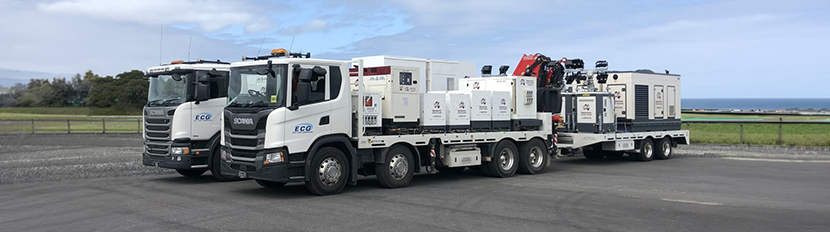
- Crane truck bodies: Combine lifting and carrying capabilities by incorporating the crane, subframe, hydraulic systems, and storage requirements into a one vehicle.
- Specialised application bodies: Designed to meet specialised operational requirements, especially when typical layouts cannot fit the equipment or loading procedure.
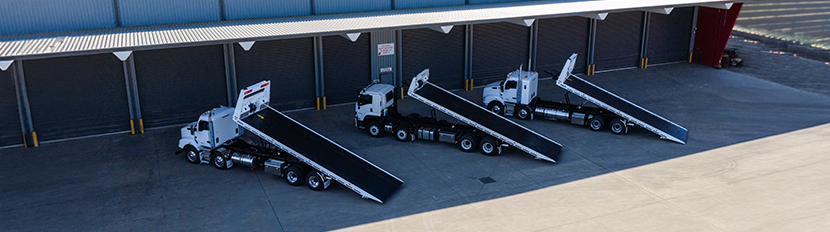
- Tilt slide bodies: Use a tilting and sliding platform to help load and transfer vehicles, machinery, and large equipment.
These configurations serve various functions, and the best option should reflect the real task rather than the vehicle’s appearance or original purchase price. CTE offers flat tops, crane trucks, specialist application bodies, and tilt slide variants.
Off-the-Shelf vs Custom Truck Bodies
Standard truck bodies might be a good option when the operational needs are simple. They are often easier to get and may require a lower initial expenditure. However, a standard arrangement may not account for exceptional load proportions, specialised equipment, storage needs, or loading procedures.
Custom truck bodywork is created to fit the vehicle chassis, intended application, and operator workflow. This allows firms to incorporate tray size, tie-down positions, hydraulic systems, tool storage, lighting, and access arrangements into a single integrated design.
These changes can improve the efficiency of daily tasks in fleets that operate in many industries. Even little improvements in loading time, equipment accessibility, and vehicle utilisation can accumulate over numerous trucks and years of operation.
How to Choose the Right Truck Body for Your Fleet
Understanding how the vehicle will be utilised is necessary before selecting the appropriate truck body. Rather than selecting a design based primarily on carrying capacity, fleet managers should consider the overall working environment.
Consider the following factors before finalising a specification:
- Load type and weight: Identify the materials, machinery or equipment carried regularly, including the heaviest anticipated loads.
- Chassis and GVM: Match the body configuration to the chassis and Gross Vehicle Mass (GVM). Account for the body, accessories, occupants and load when calculating available payload.
- Material selection: Steel offers strength and durability for demanding applications, while aluminium can reduce body weight and may provide corrosion-resistance advantages. The right choice depends on the load and working environment.
- Loading method: Consider whether equipment is loaded using forklifts, cranes, hydraulic systems, ramps or other access arrangements.
- Operating conditions: Account for urban deliveries, regional travel, construction environments, mining operations and exposure to coastal conditions.
- Compliance: Check relevant Australian Design Rules (ADRs), vehicle specifications, NHVR requirements and load restraint provisions for the intended configuration.
- Fit-out and future requirements: Plan for toolboxes, hydraulic equipment, lighting, tie-down points, safety features and any anticipated changes in fleet operations.
A thorough assessment during the specification stage helps to avoid costly changes later. It also gives the engineering team a better idea of what the finished vehicle needs to accomplish.
What to Look for in a Truck Body Builder
The truck body builder’s capabilities have a significant impact on the quality of the finished equipment. A supplier should comprehend not just fabrication but also vehicle integration, engineering specifications, and industry practical expectations.
Before committing to a project, assess the following:
- In-house engineering and fabrication: Look for a business that can manage design, engineering and production, rather than relying entirely on outsourced work.
- Industry and chassis experience: Previous experience with similar vehicles and applications helps inform practical design decisions.
- Clear project documentation: Quotes, specifications, approvals and expected build stages should be communicated clearly.
- Compliance and inspection: Ask how engineering requirements, modifications and relevant approvals are addressed.
- After-sales support: Consider access to maintenance, repairs, technical assistance and spare parts.
- Completed projects: Review previous builds to understand the manufacturer’s approach to different operational requirements.
Experienced custom truck body builders should be able to discuss the practical challenges of your application, explain their design decisions, and detect potential problems before construction begins. The ideal truck body builder is a long-term equipment partner rather than a one-time supplier.
The Custom Truck Body Build Process
A typical bespoke construction begins with a consultation to determine the vehicle’s load needs and intended application. The engineering team then creates a suitable design, frequently using drawings and 3D modelling to fine-tune the configuration before production.
Once the specifications and quote are approved, truck body fabrication begins. The completed body is mounted on the chassis, followed by necessary inspections, compliance checks, and final handover.
Working directly with the vehicle body manufacturer improves communication between engineering and production. Build times vary depending on design complexity, component availability, and the extent of customisation required, so this information should be checked before starting a project.
Why Choose CTE for Custom Truck Bodies?
CTE (Custom Transport Equipment) designs and produces unique truck bodies and heavy transport equipment at its Drouin, Victoria factory. Its in-house engineering team uses 3D modelling to provide solutions based on individual loads, chassis specifications, and operating circumstances.
Its custom body line comprises flat-top trays, crane trucks, and specific application bodies, with extra combinations available for more advanced needs. CTE also engineers its designs in compliance with Australian Design Rules, and completed truck body modifications are independently inspected and signed off by VACC inspectors.
CTE’s services to fleet operators go beyond production and include maintenance, repairs, technical advice, and spare parts support. Explore its bespoke truck bodywork, trailers, and spare parts to have a better understanding of its overall equipment and support offerings.
Conclusion
Choosing the correct truck body necessitates a thorough understanding of the task, the vehicle, and the environment in which it will operate. Every decision, from load requirements and chassis compatibility to engineering, compliance, and after-sales support, helps to improve fleet performance over time. A well-designed configuration can make day-to-day activities more convenient and efficient. Fleet managers interested in a purpose-built solution should contact CTE to discuss their needs and explore the options for a custom truck body.
Frequently Asked Questions
The cost is determined by the chassis, dimensions, materials, engineering specifications, and additional equipment. Hydraulic systems, crane integration, storage, and specific fittings can all affect the ultimate costs. The best place to start is with a quote for your unique job.
Build timelines vary depending on design complexity, component availability, engineering approvals, and fabrication requirements. A simple configuration may require less time than a highly customised construction. Before you confirm your order, discuss the expected schedule with the manufacturer.
Steel is frequently chosen for applications requiring strength and heavy-duty construction. Aluminium can reduce overall body weight and improve corrosion resistance. The most suitable material is determined by the desired load, operating environment, and payload requirements.
Not all bodies are appropriate for all chassis. Compatibility is determined by dimensions, weight ratings, axle layout, mounting requirements, and intended usage. A manufacturer should evaluate the specific vehicle before confirming a design.
Yes. CTE creates and manufactures unique truck bodies for a wide range of purposes, including flat-top trays, crane trucks, and specialist bodies. Its in-house engineering team collaborates with operators to create configurations based on their fleet requirements.